A simple guide to how websites impact the environment and how to reduce your website’s carbon footprint.
what is a green website
Quick answer
Green Website: Faster, Lighter, Lower Carbon
A website designed to use less energy and produce fewer carbon emissions, while still delivering a fast, high-quality experience.

The definition
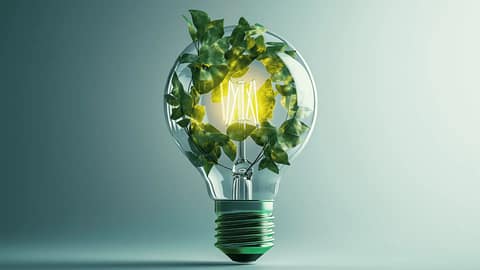
A green website (also known as an eco friendly website) is designed to use less energy and produce fewer carbon emissions while still delivering a fast, high-quality user experience. It focuses on doing more with less: reducing unnecessary data, improving performance and lowering its environmental impact.
What makes a website green:
Lightweight design
Pages are small in size, so less data is transferred per visit.
Fast loading speeds
Efficient pages load quickly, using less energy and improving the experience.
Clean, minimal code
No unnecessary scripts, plugins or bloated builders slowing things down.
Optimised images and media
Images are compressed and correctly sized to avoid wasted data.
Green hosting
Servers powered by renewable energy where possible.
The footprint
Most people don’t realise that the internet has a physical footprint. Every visit to your website uses electricity, and much of that energy still comes from carbon-emitting sources.
Step one
When someone visits your website, data is transferred from a server in a data centre.
yourwebsite.co.uk
Step two
Networks carry that data across the world. The bigger the page, the more energy it takes.
Step three
The visitor’s phone or computer loads and renders the page, using more energy for every extra byte.
Every visit adds up
The internet is estimated to produce around 3–4% of global carbon emissions, and that number is growing. Every website contributes to that.
By making websites more efficient, we can:
But it’s not just about the environment. Green websites are also:
Sustainability and performance go hand in hand.
Going green isn’t just good for the planet. It’s good for your business too.
Search engines favour fast, efficient websites.
Users stay longer and engage more with fast-loading pages.
Lower carbon emissions for every visitor.
Efficient websites use fewer resources, reducing hosting and maintenance costs.
Appeal to eco-conscious customers and stand out from competitors.
Where to start
Improving your website doesn’t require starting from scratch. Even small changes can make a big difference over time.
Compress images and size them correctly, so pages don’t load more data than they need.
Remove unused plugins, scripts and unnecessary elements to reduce your page size.
Move to a hosting provider that runs on renewable energy where possible.
Keep improving load speed and performance, and check it regularly so it stays that way.
Have a question that isn’t answered here? Send us a text or give us a call on 07723 582479.
A green website is designed to reduce energy usage and carbon emissions by being lightweight, fast and efficient.
Yes. They are typically faster, which improves user experience and search engine rankings.
Not necessarily. In many cases, it reduces long-term costs due to improved efficiency.
Yes. Optimising images, reducing page size and improving performance can significantly lower your website’s impact.
Request a free website check. We’ll show you how your site performs and where you can improve.
Free website check
Whether you need a new website or want to improve your current one, we can help reduce your site’s carbon footprint while improving results. Start with a free website check and see where you can improve.
Your Website Check
We found 7 ways your website could be faster and greener.
Mobile score
98
Page load time
0.8s
Enquiry points
6
Top fixes
See exactly where
you can improve